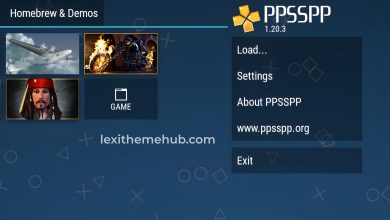
PPSSPP, the premier open-source PlayStation Portable (PSP) emulator, offers a robust and feature-rich experience for Mac users, enabling them to play a vast library of classic PSP titles on their Apple computers.
PPSSPP allows you to play your PSP games in high definition, often with improved textures and resolutions that surpass the original console’s capabilities. It is available for a wide range of operating systems, with dedicated support for macOS, including both Intel-based Macs and the latest Apple Silicon models.
PPSSPP is renowned for its broad compatibility across a multitude of operating systems. Both the free and Gold versions are available on Android, Windows, MacOS, Linux and iOS. While the emulator is highly optimized, the performance will ultimately depend on the power of the host device.
Generally, for a smooth experience, the following system specifications are recommended:
Operating System: macOS X 10.9 or later.
Graphics: A graphics card that supports OpenGL 2.0 or later is required. For the best experience, a more modern GPU that supports Vulkan is recommended.
Processor: Compatible with both Intel 64-bit and Apple Silicon (M1, M2, etc.) processors, with native support for Apple Silicon ensuring optimal performance.
Download PPSSPP Gold Emulator
To be able to use it, you have to download the dmg file first via the download link that we provide below. You can also learn more on how to configure and play PSP games on macOS with PPSSPP Emulator here.
ID used to identify users for 24 hours after last activity
24 hours
_gat
Used to monitor number of Google Analytics server requests when using Google Tag Manager
1 minute
__utmv
Contains custom information set by the web developer via the _setCustomVar method in Google Analytics. This cookie is updated every time new data is sent to the Google Analytics server.
2 years after last activity
__utmx
Used to determine whether a user is included in an A / B or Multivariate test.
18 months
_ga
ID used to identify users
2 years
_gali
Used by Google Analytics to determine which links on a page are being clicked
30 seconds
_ga_
ID used to identify users
2 years
__utma
ID used to identify users and sessions
2 years after last activity
__utmt
Used to monitor number of Google Analytics server requests
10 minutes
__utmb
Used to distinguish new sessions and visits. This cookie is set when the GA.js javascript library is loaded and there is no existing __utmb cookie. The cookie is updated every time data is sent to the Google Analytics server.
30 minutes after last activity
__utmc
Used only with old Urchin versions of Google Analytics and not with GA.js. Was used to distinguish between new sessions and visits at the end of a session.
End of session (browser)
__utmz
Contains information about the traffic source or campaign that directed user to the website. The cookie is set when the GA.js javascript is loaded and updated when data is sent to the Google Anaytics server
6 months after last activity
_gac_
Contains information related to marketing campaigns of the user. These are shared with Google AdWords / Google Ads when the Google Ads and Google Analytics accounts are linked together.
Hi there! 👋
We noticed you're using an ad blocker.
We totally understand the need for a cleaner, faster web experience. However, ads help keep this blog free and support the time and effort we put into creating quality content.
If you enjoy our posts, please consider whitelisting our site or disabling your ad blocker while you're here. It only takes a few seconds, and it makes a big difference.
Thanks for your support! 💙